
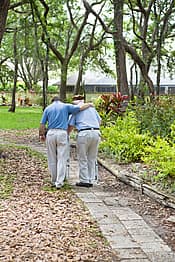
I consider it a daily gift to work with people in later life; to hear about their unique footprint on earth, to celebrate their personal victories, to share in their losses and to find a way forward that brings continued meaning, purpose and independence.
In particular, the experience of loss as we age can cause personal pain or a disruption in our lives. Losses can be minor or major and relative to how the person perceives the loss. Tangible losses such as a death, chronic illness, and change in physical abilities or senses are often easier to recognize, whereas intangible losses such as the perceived loss of control and independence can be more subtle or less obvious.
Younger generations typically have more physical energy and a sense of control to move on after experiencing losses. Seniors can find it more difficult to cope with loss, simply because they can’t be regained or replaced.
Think for a moment about how loss effects people. Most of us – at some point in life – are going to experience the following:
- Loss of physical strength be it from a chronic disease or loss of mobility
- Loss of peer group: siblings, spouse, friends
- Loss of family or work role: as we age, our role within our family and society changes – usually not for the better.
- Loss of identity: think about your Dad, who spent 40 years working in an industry and providing for his family and now at 60 years he retires to what? Or the 80 year woman who volunteers every day only to have mobility issues that prevent her from continue in her role.
- Loss of a family home: although the majority of seniors still live in their home, a percentage of seniors are required to move because they need more help or their home becomes too difficult to upkeep and maintain.
What binds generations and people together as human beings, regardless of age, is that we all will have to deal in some way with losses of many types throughout their lives. While we may not all experience the same type of loss, rebuilding our lives and relationships after a loss is a universal challenge that we all must face.
Most people who are experiencing a loss or change want to talk about their feelings, concerns, fears, hopes and dreams. Even if these are expressed as “life isn’t working out the way I wanted it to,” there is immense value in being able to acknowledge these changes and what they mean for your parent, or grandparent, and those around them, such as family or friends.
When caring for the older people in our lives, it is important to understand the array of emotions they may be going through. Many older adults describe age-related losses as “losing themselves.” Many feel they are no longer the person they once were and often grieve the loss of their abilities. Each of us deals with these losses differently and grief comes in many forms including shock, denial, depression, feelings of loneliness, and anger.
The more we can acknowledge the changes and losses taking place, the more opportunities there are to regain control and maintain independence.