
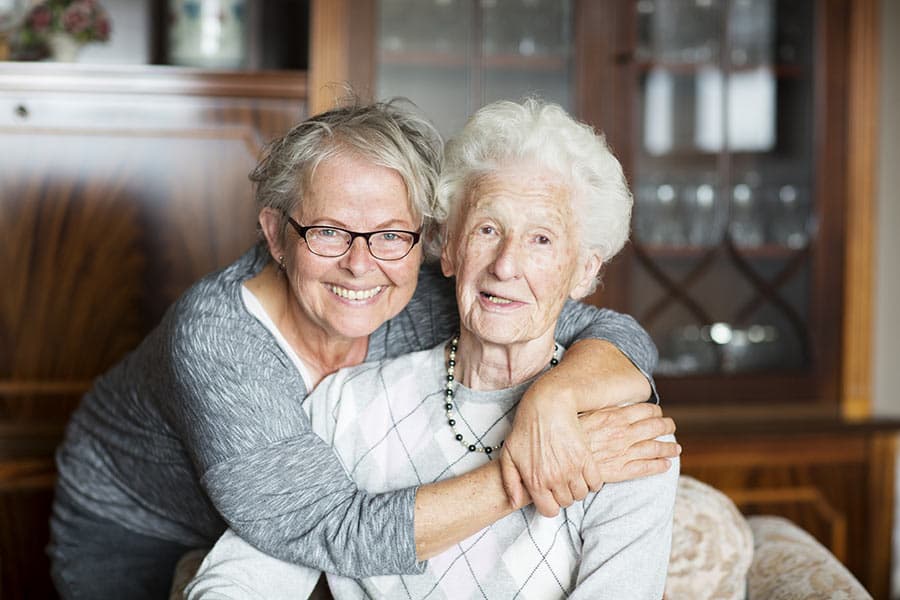
There are some people you meet in life that you remember for a lifetime and who always bring a smile when you think of them. This is always the case with Mr. and Mrs. Johnson. Last night I was out having a beer with a colleague and our conversation found its way to our work and the daily challenges we face with clients living at risk. I immediately thought of one of my favourite couples from Toronto.
This lovely couple attended sessions in the weight room where I helped to implement strength training programs on a student practicum for a geriatric centre in Toronto. They invited me over for tea one day after learning about some of my athletic accomplishments.
Within seconds of finishing tea, Mrs. Johnson bolted (and I mean bolted at an alarming speed) to her bathroom. “Let me show you how I get into my shower,” she said.
Before I could explain that it wasn’t necessary, Mrs. Johnson (fully clothed) “jumped” into the shower. Mr. Johnson just looked at me as if to say, “Don’t bother trying to stop her.”
At 91 years old, she literally jumped into the shower while hanging onto a grab bar installed inside the shower. Turns out Mrs. Johnson was quite the hurdler in her day, hence the modified hurdling technique getting into the shower.
Even at such a youthful age, it was clear to me that Mrs. Johnson’s bathing methods were risky (although when I questioned her on the risk of falling, her reply was, “It’s not as if I turn the shower on before I get in, dearie”).
It was equally clear that any advice given by someone a quarter of her age would fall on deaf ears.
We get many caregivers and concerned family members calling and asking how to determine the extent of risk as it relates to the people they are caring for.
In general, the term “living at risk” for seniors means that older people are free to engage in activities that might be considered risky so long as they are mentally competent and don’t place others at risk or expose them to harm.
With age comes a higher likelihood of exposure to risk than other adults. Changes in health, presence of chronic disease or varying mental capacity can make the people we care for more vulnerable to accidents or injuries.
Morally, caregivers and concerned family members have an obligation to protect the people they are caring for from harm. It’s a fine line.
Smothering your aging mother or great-uncle can also undermine self-esteem and confidence. Having the ability to make choices about how to go about one’s day is not only a right, but a fundamental underpinning of living a dignified and independent life.
Putting it into practice, however, is rather tricky.
How can a son who guides mountaineering clients to altitudes of 20,000 feet reprimand his 85-year-old mother for using a ladder to clean her windows?
Before placing limits on someone’s abilities, ask yourself these questions:
- Do I want a protective or safer environment for the person I’m caring for or for my own sake?
- Is my assessment of the risk influenced by personal fears or desires?
- Is the risk real, or would I experience less guilt and worry less knowing the person I’m caring for is safe?
- Do I feel the need to have a mental competency done on the person I’m caring for or are do I feel they are able to function globally at present?
- Do I feel the person I’m caring for is aware of the effects of their decisions and choices on others?
Family caregivers are often challenged to respect the person they are caring for and their choices and accept risk while continuing to offer support. It shouldn’t, however, be limited to non-interference. Caregivers also have the right to negotiate ways of managing risk to protect their aging loved one’s value, beliefs and safety.
But that’s a whole other blog…stay tuned for part two!